
What do you ask new people in order to get to know them? Generally speaking we ask “what do you do?” When I first meet new people, other creatives or students, I tell them “I write stories for video games.” They will usually respond with either “oh” (which here means “I do not play games and the path this conversation has taken is both strange and scary to me”) or they ask “How do you write stories for games?” The second one is, of course, more common with folks who already know I work in the games industry.
“How do you write stories for games?” This question, like the spirits of victims buried beneath my floorboards, haunts me late into the night. This question could mean lots of things. But, it’s a good question isn’t it? When I say a “good question” I mean one that irritates you and scratches at the inside of your skull.
That can only mean one thing; there is something interesting here.
So what are the folks who ask me this really asking? It could mean “How make words good?” or “What tools do you use to write stories for video games?” or “How do you get started making games?” or “How do I utilise my skills in writing INSERT LEGACY MEDIA HERE to video games?”
Usually I would answer with a polite but simple point depending on the context. However, I think all intents by which this question can be asked are interesting and so I will, by way of introduction, answer them all… in brief (I have a lot of games to write).
How make words good?
Me no idea how make words good. Me just make words.
Oh you wanted a helpful answer? The essential thing is that you recognize your worth as a human being. Yeah. It’s a biggun, I know. In order to write well you will have to believe that you have something completely original to provide to your fellow humans. What you will provide is your voice and perspective which stems from your entirely unique lived experience.
Next, you will need to read, write and play often. This is so important. You need to stick both your arms into the delicious goo of other peoples art and feel around. This is the only way to find out what you like, hate and want from art. This will also help show you how the folks with decades of experience do it. Learn what works and what doesn’t. Learn the rules and then, carefully and intentionally, break them.
Finally, don’t try to make words good but try to make words at all.
First be kind and get something, anything, down on paper. Once you have something, edit ruthlessly. A WARNING: If you let the ruthless mean parent into the room while the creative kids are getting word down on paper then the words stop. This is something we in-the-know folks call “writers block”.
What tools do you use to write stories for video games?
A pen and paper! It sounds silly but I fill an ungodly amount of notebooks. Almost all of these notebooks are filled with complete crap. That is the point! Note down every strange instinct, every novel idea, every weird overheard conversation, every bad thought that captures your attention and amongst them you may find something that connects with you. Pay attention. Let this influence your writing and your art may connect with another person on a profound level. Get yourself a pocket-sized notebook now!
A lot of very important work happens before full on content production actually begins. Decisions around narrative direction, story designs, narrative systems and writing happen in pre-production phases and continue into the production phase.
From a day to day on-the-job perspective I use a variety of different piece of software. I use google docs an awful lot. It lets me get right to the work in a readable way and allows me to collaborate with other team members while avoiding having to worry about storing things locally.
I sometimes, when backed into a corner while hissing like a scared cat, have to use some form of sheets (google or MSoffice). I often use sheets for producing, tracking and recording dialogue for barks or for localisation.
I pretty much always have my hands in some kind of game engine, usually Unity. If I am implementing, editing or testing the writing that has to happen in engine.

How do you get started making games?
Games are just like any other kind of media, in that they are nothing like any other kind of media. They are special and close to my heart. They’re also ✨ interactive ✨. These 2 pieces of information mean that you need to know, love and play games in order to make them well.
Step one is play games actively and study them. What do you love? What works? What could be improved? If you want to make your own games I would focus on some successful smaller indie games to get an understanding of how to execute design while focusing only on the essential elements. If you plan on writing for games I would, of course, suggest you focus on narrative led games.
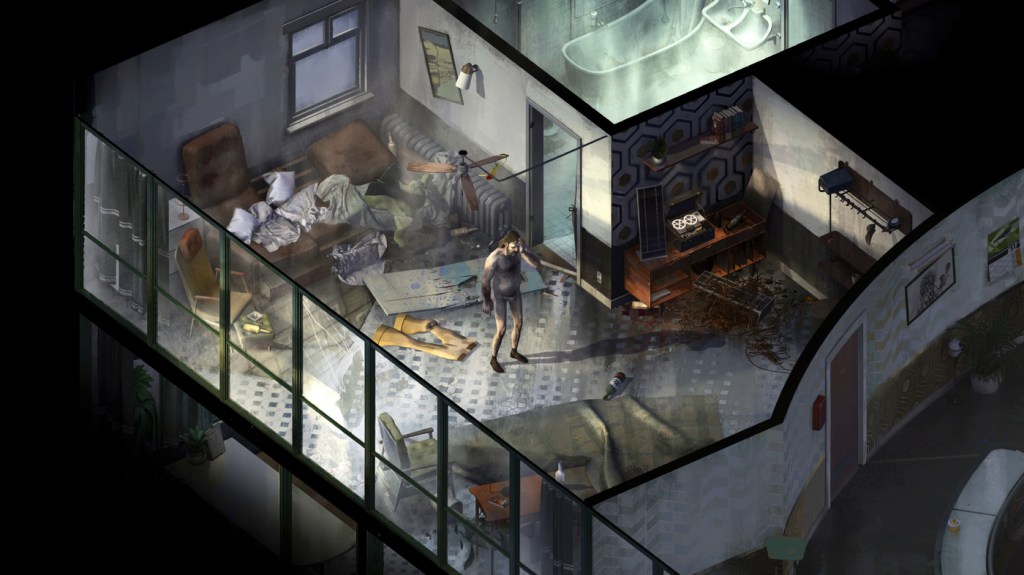
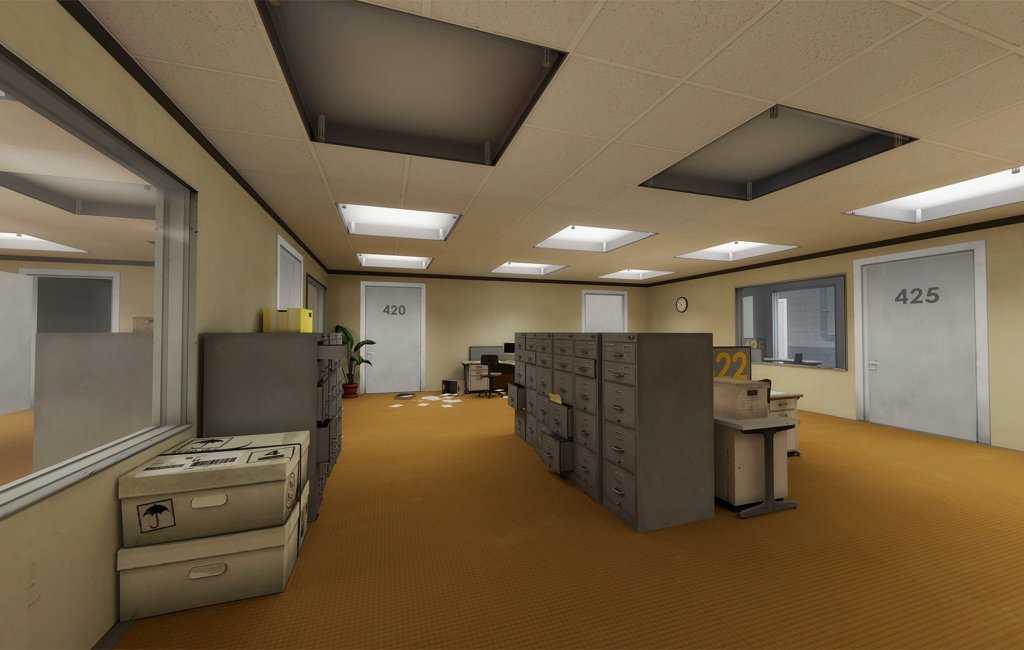
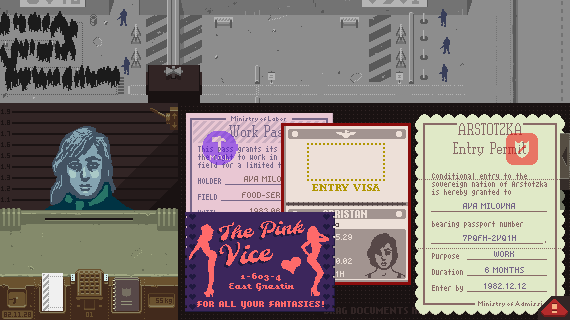
Step 2 is acknowledging what makes game narratives and writing for games different to other forms of storytelling. Imagine you are writing a sports novel and you have designed your plot, created a cast of characters and have finally sat down to write when someone walks up and, looking over your shoulder, says “At this point in the book the reader has to get up and drive to an ice rink and play ice-hockey. Now you have to tell the story while they learn to play hockey. Good luck!”
Writing for games creates interesting challenges. This is why, in addition to the story design and writing found in creating a novel, a lot of the work involved in storytelling for games is focused on narrative design. There are elements of game design, choice design, delivery system design, direction collaboration with other devs and so much more.
If you look at a choose-your-own-adventure story in which the player chooses a course of action and turns to the page associated with their decision to see the outcome you will learn one of the other major ways that interactivity fundamentally changes the approach to writing and story design; you will write so much more than the player will ever see.
There are so many more ways that storytelling for games is unique and wonderful and I will deep dive into more of those elements in future posts.

Once you have started actively playing games and paying attention to their design and execution you can move on to making your first game.
Step three is making something. Ooh, exciting! However, the first thing you have to do, if you have never made a game before, is awaken to the cold and terrible truth that you… alone… cannot make Ocarina of Time. I know. I cried too. It’s OK. Let it out.
You will need to scale down. I recommend for anyone’s first attempt that they make a board or card game. Many tabletop role playing games, for example, contain lots of writing, story design and flavour. If you really want to jump in and make a digital game right away I would recommend downloading a simple game engine and making a text adventure or interactive fiction game. Download Twine and head right for twinery.org to learn the basics of setting up a project. Once you get the hang of that check out The Twine Grimoire by Grim Baccaris for an excellent guide to customising your projects.
Now you go and sign up for your first game jam! Game jams are just like music jam sessions; developers of all levels and specialties get together and make games in an unreasonably short timeline. It’s excellent because you can learn from other devs, fail a lot and,most importantly, finish making a game. When you’re starting out everything will be just a little bit terrible. Like the first ugly pancake. You make one and get it done and move on to fail even more and make amazing things. Yay!
I will, in the near future, write a short guide for making your first game and taking part in a game jam.
How do I utilise my skills in writing INSERT LEGACY MEDIA HERE to video games?
Make games! (See above)

Well that’s that question answered I guess I can just head to bed and rest and maybe read by boo- WHAT IS THAT HURTLING TOWARD ME?! IS IT AN UNANSWERABLE ESSENTIAL QUESTION TO KEEP ASKING THROUGHOUT OUR TIME SPENT WRITING?! NOOOOOOOO-
 LenCunningham.com
Leave a comment